

Madagascar
TSARAFANDRAY
High in the upper Sambirano valley, 47 smallholder families ferment together and turn out some of the cleanest fruit-forward cacao on the island.
Uncommon Cacao sources from Tsarafandray, a cooperative three hours by motorbike from the nearest town, via the UCLS union. It is worth the trip: rigorous, repeatable post-harvest has made these beans consistently fine-flavored, with the bright fruitiness Malagasy cacao is known for.
Members intercrop cacao with mango, banana, coffee and vanilla, and the cooperative earns premiums for quality alongside organic and fair-trade certification.
Tsarafandray is part of a larger union of cooperatives, UCLS, that works with 472 smallholder farming families across the Ambanja region. UCLS cacao is Organic and Small Producers Program (SPP) certified.
TERROIR
Trade winds and a nearby mountain range give the Sambirano river valley a microclimate of its own — warm, wet, and sheltered.
Since the first trees arrived in 1822 they have adapted to Malagasy soil and climate, producing unique hybrids of Criollo, Trinitario and Forastero. Cacao grows under indigenous shade trees, buffering the valley’s remaining rainforest.
Uncommon Cacao sources from Tsarafandray, a cooperative three hours by motorbike from the nearest town, via the UCLS union. It is worth the trip: rigorous, repeatable post-harvest has made these beans consistently fine-flavored, with the bright fruitiness Malagasy cacao is known for.
Members intercrop cacao with mango, banana, coffee and vanilla, and the cooperative earns premiums for quality alongside organic and fair-trade certification.
Tsarafandray is part of a larger union of cooperatives, UCLS, that works with 472 smallholder farming families across the Ambanja region. UCLS cacao is Organic and Small Producers Program (SPP) certified.
TERROIR
Trade winds and a nearby mountain range give the Sambirano river valley a microclimate of its own — warm, wet, and sheltered.
Since the first trees arrived in 1822 they have adapted to Malagasy soil and climate, producing unique hybrids of Criollo, Trinitario and Forastero. Cacao grows under indigenous shade trees, buffering the valley’s remaining rainforest.

Silva Quality
Special Selection
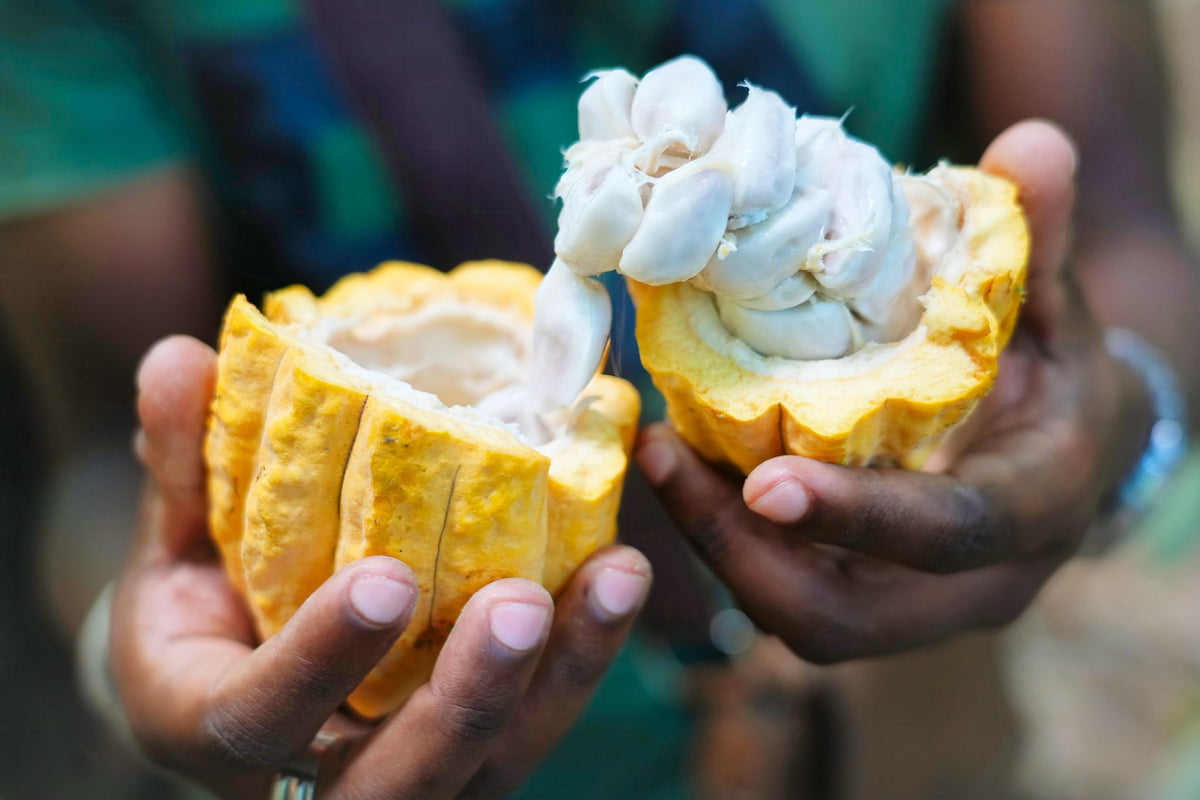
Pictured: Dorothée, cacao producer with UCLS

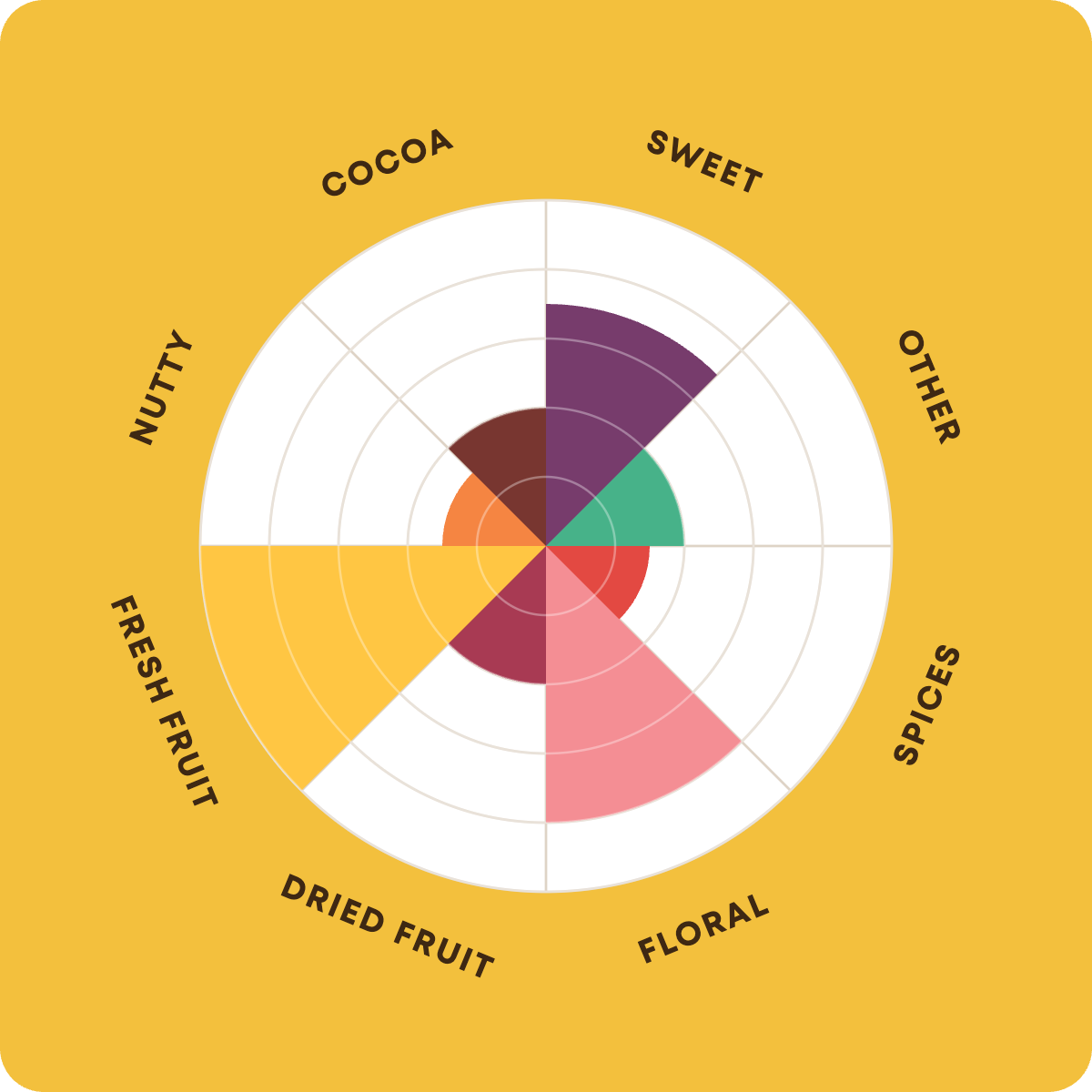
Flavor Profile
Red fruits, vanilla, citrus bloom
QUALITY & PROCESSING
Certifications:
Organic, SPP
Variety:
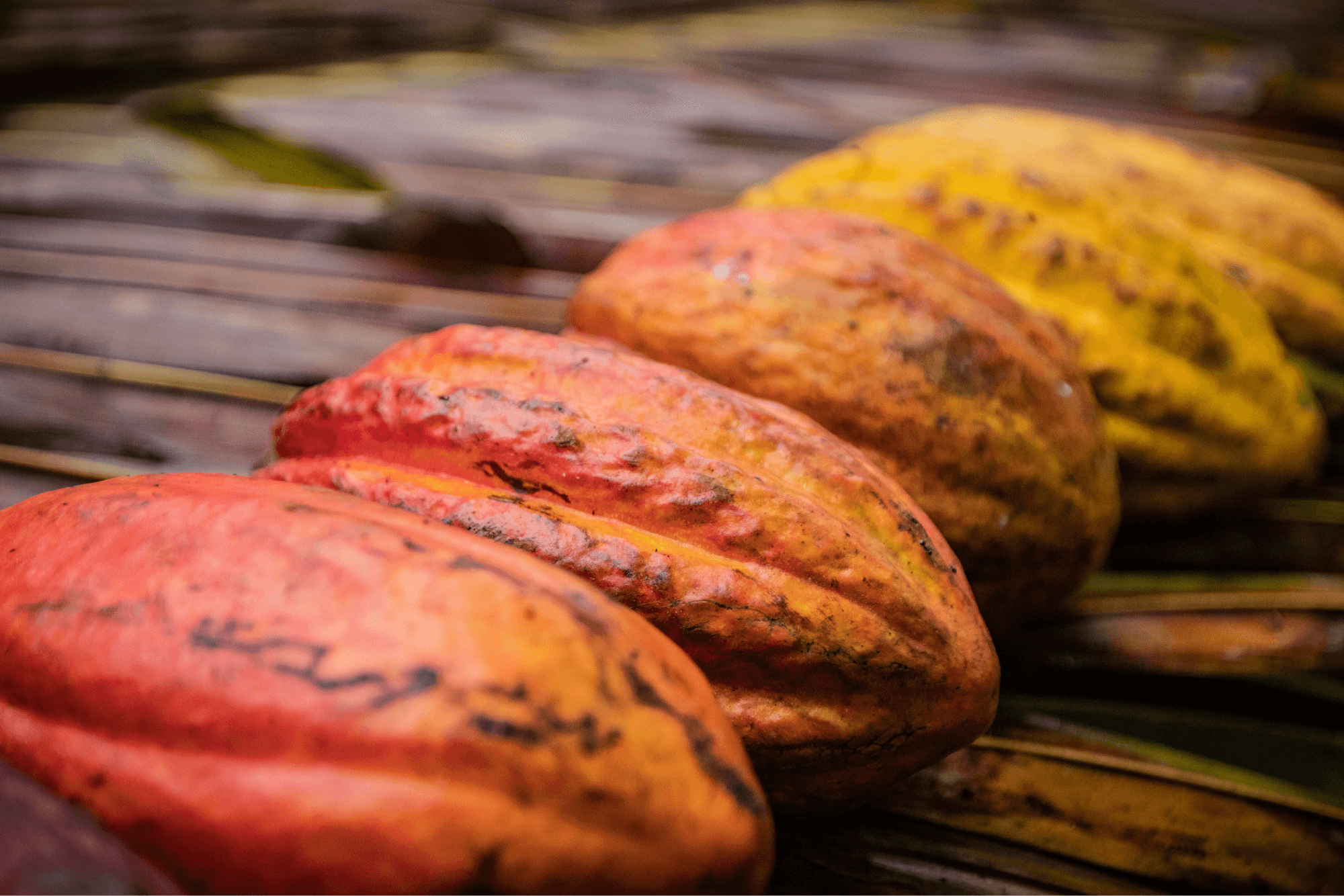
Criollo, Trinitario and Forastero types
Fermentation Process:
6 days, 3-tiered cascading wooden boxes
Source:
Cooperative Tsarafandray, UCLS Union — 47 farmers
Drying:
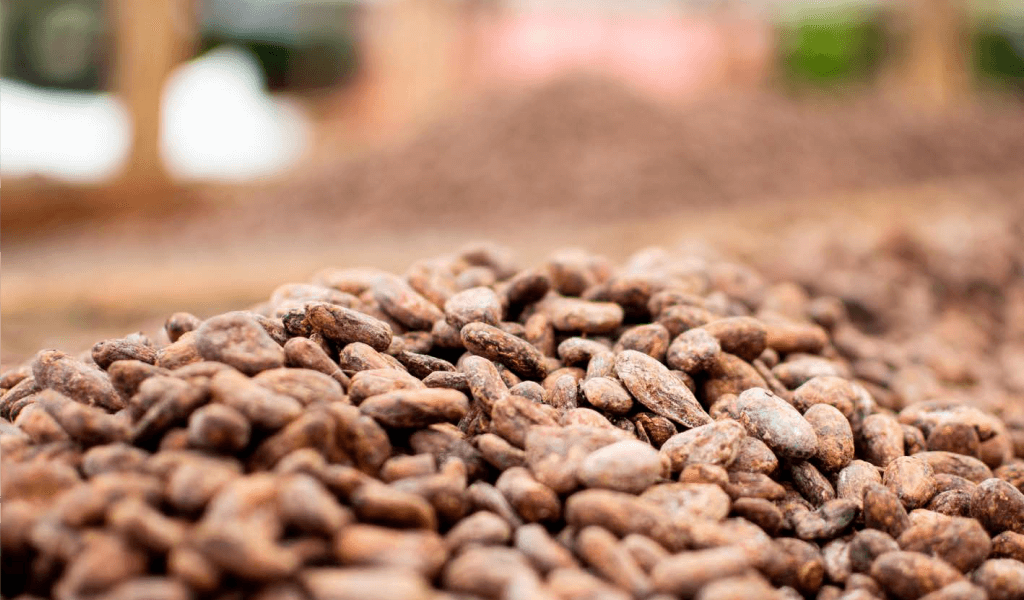
Sun drying on the patio
Harvest Seasons:
October–December, May–June
Sacks:
Jute, 65 kg
We believe that the difference between traceability and transparency is published and verifiable data for each and every step in our supply chain.


