Guatemala
LACHUÁ
A conservation-focused group of indigenous producer associations located in a hill-studded, jungle-rich area of northern Alta Verapaz.

2025 Data - Product
Quality: Ultra Premium
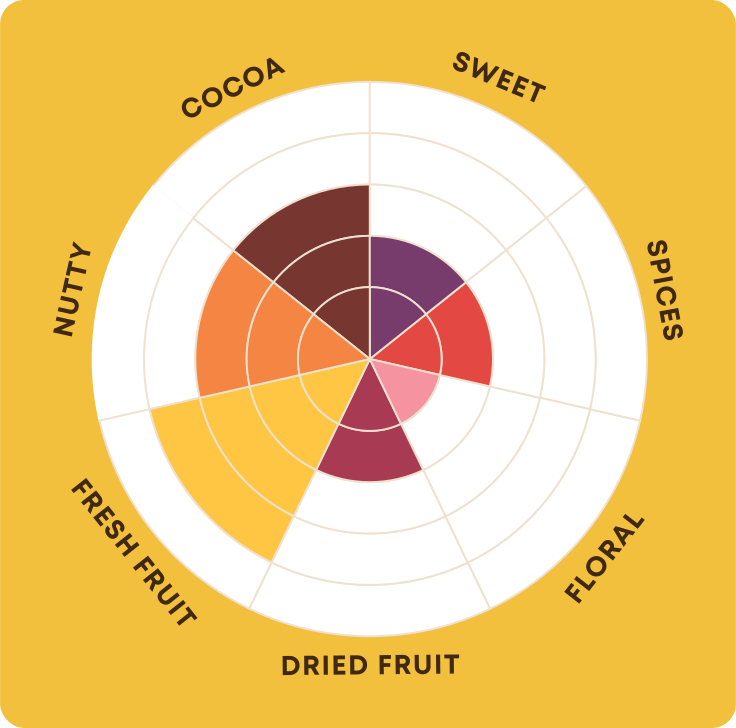
Flavor: Strawberry, Lemon, Walnut
Fermentation Style: Box
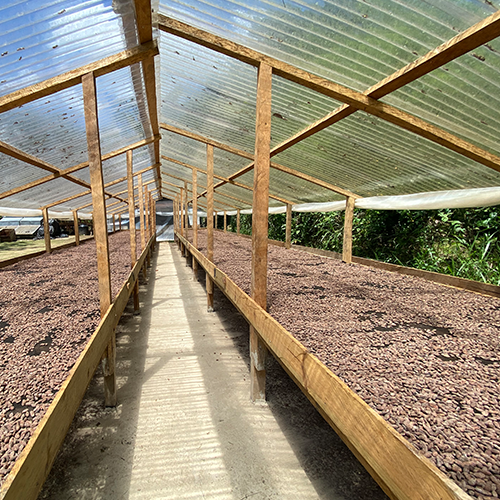
Drying Style: Solar dryers
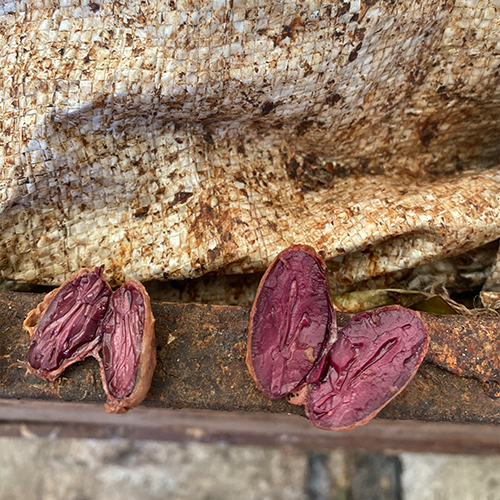
Quality Practices: Temperature monitoring during fermentation, pH or sugar monitoring during fermentation, specific protocols for flavor, cut tests during fermentation
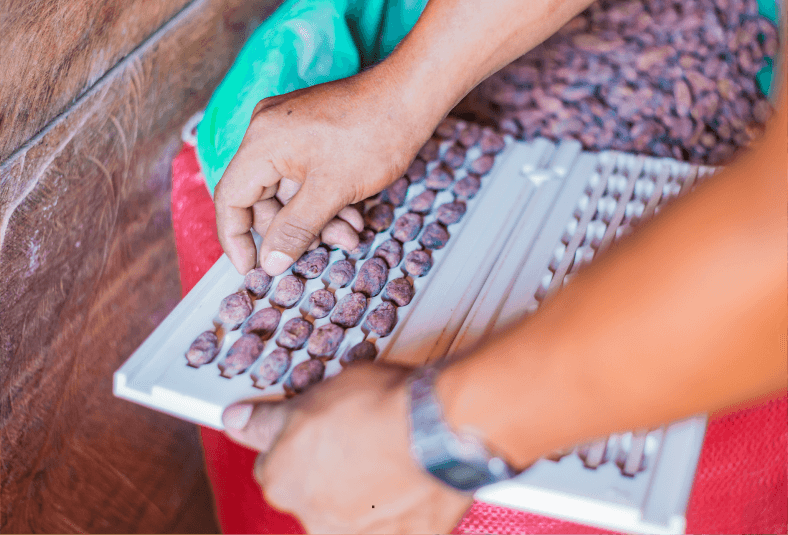
Hand Sorting: Yes
Certifications: Organic
2025 Data - Planet
Crops that are used for intercropping: Banana, Plantain, Palm, Citrus, Timber
Environmental practices: Soil and river bank conservation across the agroforestry buffer zone around Laguna Lachuá
Organic hectares cultivated: 129
Average percent of shade of cacao farms: 35%
Distance of producer to facility (km): 22
Distance to port (km): 469
Ocean freight CO2kgs per MT (US): 49
Ocean Freight CO2kgs per MT (EU): 137
2025 Data - People
Community-focused initiatives: Training programs in cacao farm management and crop diversification.
Trainings conducted: Cacao quality at harvest, productivity, shade management and cocoa pruning, Improving productivity, shade management, and cocoa pruning
Producers purchased from: 115
Female producers: 36
Organic producers: 115
Producers under 35 y/o: 2
Total # of producers trained: 102
Total # of female producers trained: 37
Total # of producers under 35y/o trained: 2
Full time employees: 5
Part time employees: 21
Part time female employees: 9
Average farm size (ha): 1.11
Average sales per producer (dry kg): 212
Average annual cacao revenue per producer: $1,595
The Lachuá region is home to a pristine cenote lake within a national park, which has been a protected RAMSAR site since 2006, and to communities of indigenous Q’eqchi’ Maya families.
Uncommon Cacao sources in partnership with Ecolasa / FundaLachuá from smallholder associations located around the lake. Together with associations of other products like cardamom and chili peppers, they are leaders in creating economic incentives to develop and maintain biodiverse agroforestry buffer zones around the lake.
The communities work together to use sustainable agroforestry as a buffer, protecting the area from industrial palm oil development and other forms of extractive agriculture pervasive in northern Guatemala. The producers of Lachuá are highly professional and efficient; Uncommon Cacao conducted a cost of production study in this region in 2019 which found that producers in this region earn a 50%+ profit margin on their cacao sales, after including both monetary and non-monetary costs to produce cacao.
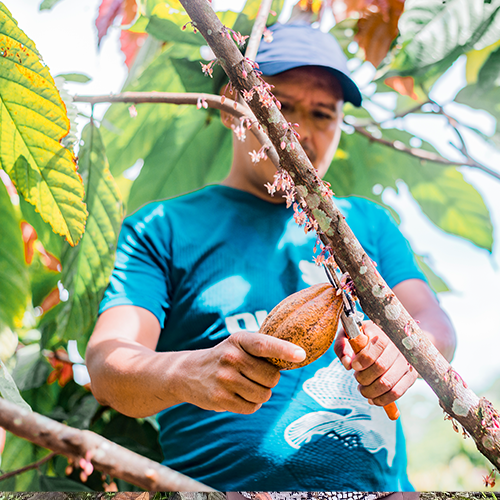
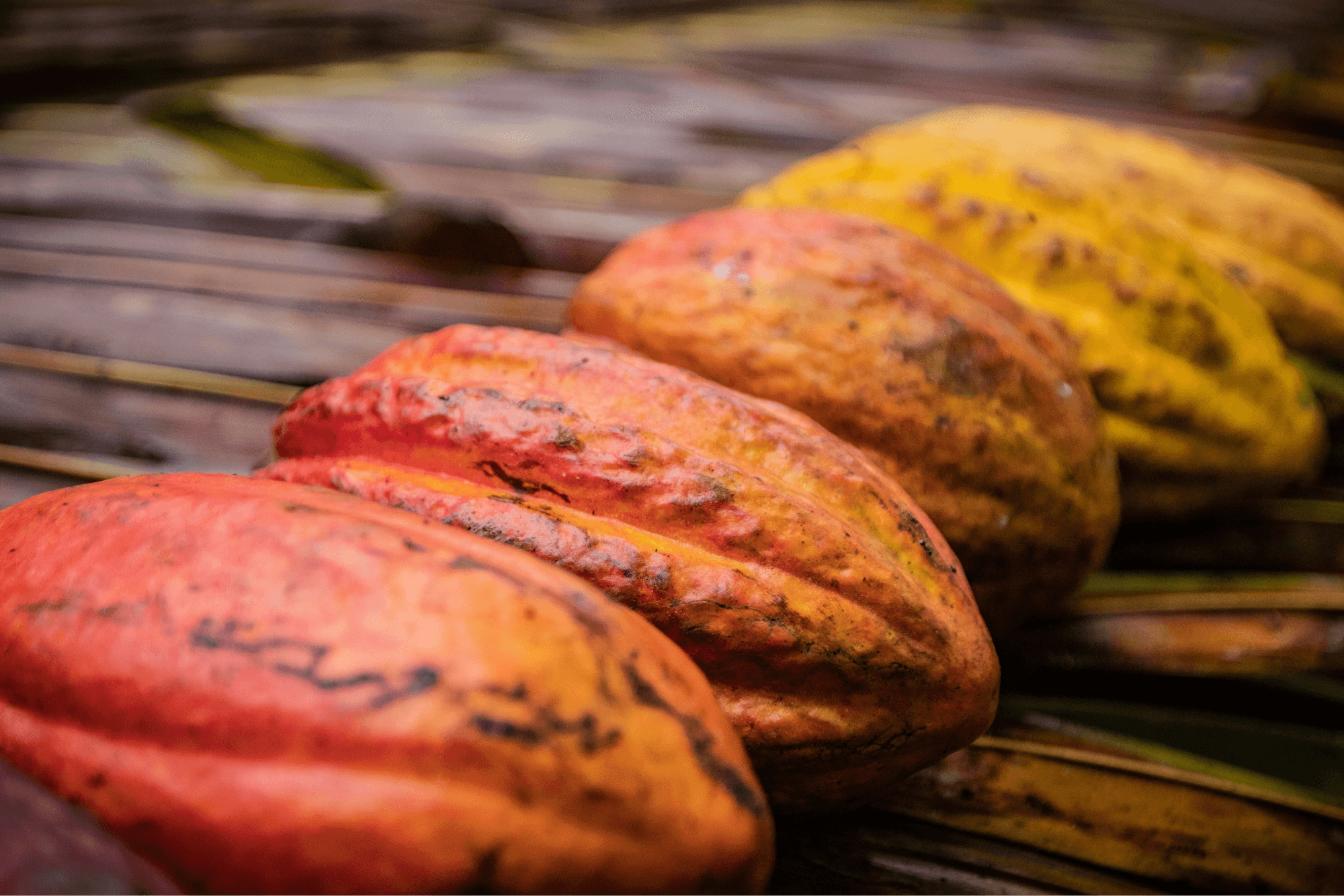
Pictured is producer Pedro Pa Beb harvesting a cacao pod
TERROIR
The cacao farms in the Lachuá region are planted amidst lush karstic limestone hills that rise up from the rolling verdant landscape. Planted in more recent decades with a combination of trees selected locally for performance and flavor, the Lachuá cacao is complex and has personality.
We love this cacao because of its unique citric acidity. Lachuá cacao combines tangy fresh berries with nostalgic coffee, nut, and chocolate base notes, offering a wide variety of compelling flavors possible through dialing in different roasting profiles.
The Lachuá region is home to a pristine cenote lake within a national park, which has been a protected RAMSAR site since 2006, and to communities of indigenous Q’eqchi’ Maya families.
Uncommon Cacao sources in partnership with Ecolasa / FundaLachuá from smallholder associations located around the lake. Together with associations of other products like cardamom and chili peppers, they are leaders in creating economic incentives to develop and maintain biodiverse agroforestry buffer zones around the lake.
The communities work together to use sustainable agroforestry as a buffer, protecting the area from industrial palm oil development and other forms of extractive agriculture pervasive in northern Guatemala. The producers of Lachuá are highly professional and efficient; Uncommon Cacao conducted a cost of production study in this region in 2019 which found that producers in this region earn a 50%+ profit margin on their cacao sales, after including both monetary and non-monetary costs to produce cacao.
Pictured is producer Pedro Pa Beb harvesting a cacao pod
TERROIR
The cacao farms in the Lachuá region are planted amidst lush karstic limestone hills that rise up from the rolling verdant landscape. Planted in more recent decades with a combination of trees selected locally for performance and flavor, the Lachuá cacao is complex and has personality.
We love this cacao because of its unique citric acidity. Lachuá cacao combines tangy fresh berries with nostalgic coffee, nut, and chocolate base notes, offering a wide variety of compelling flavors possible through dialing in different roasting profiles.
2025 Lachuá Farmgate price
$7.54 USD
This is the actual price paid to the cacao producer for their product (typically on a per kg or per lb basis - here it is expressed as per kg) when they sell it to the first buyer.
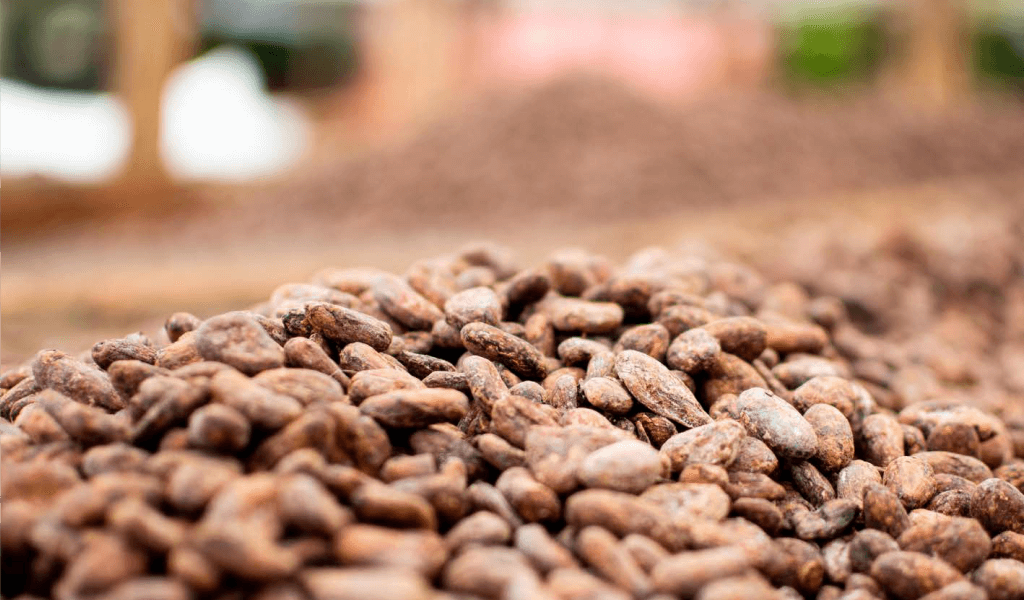
Farmgate price is often paid for "wet" or fresh cacao, recently harvested and scooped out of cracked pods for sale. Wet cacao loses 60-70% of its weight during fermentation and drying, typically reaching 7-8% humidity before it is sold.
Uncommon calculates farmgate price for each cacao supplier based on the specific weight loss conversion percentage provided to us by the supplier, and we report farmgate price on a per kg dried equivalent basis for all cacao beans we source.
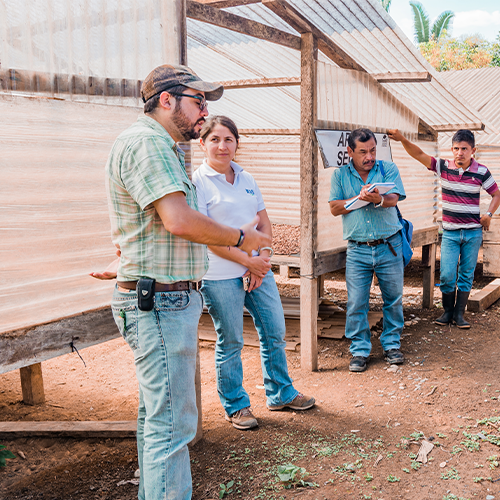
Pictured is Roy Fraatz, Technical and Quality Manager at Cacao Verapaz conducting a training.
2025 Lachuá Association price
$13.45 USD
This is the price the exporter pays the association for cacao.
In some cases in our supply chain there is an organized group of producers that aggregate cacao and sell it to an exporter.
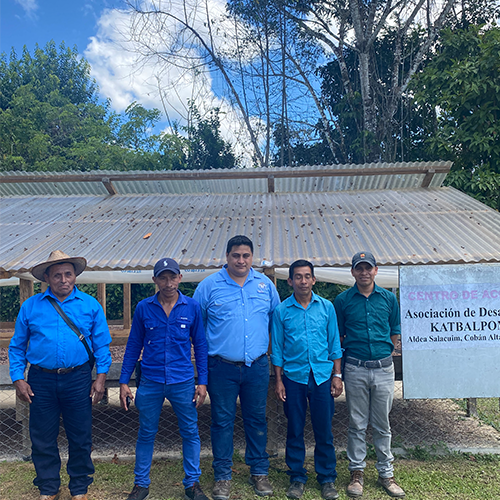
Pictured are Miguel Cuc, Anselmo Luc, Raul Quezada, Hugo Mo, and Jose Pop in front of the association's drying decks.
2025 Lachuá FOB price
$17 USD
This is the price paid by Uncommon to our partners for cacao transported and loaded onto a ship for export.
Uncommon then covers all of the costs of shipping, freight charges, insurance, import, domestic logistics, warehouse ingestion, customs and duties.
Free on board (FOB) is an international shipping term that represents the seller's responsibility for bringing the cacao over the rails of the export ship.
2025 Lachuá Average sales price
$18.10 USD
This is the weighted average price per kg for cacao sold to the premium & ultra premium chocolate makers who purchased it during this year from Uncommon Cacao.
Notable Awards

Flavor Profile
Strawberry, Lemon, Walnut
We believe that the difference between traceability and transparency is published and verifiable data for each and every step in our supply chain.