

Peru
QORI INTI
A single-variety cacao from Qori Warmi, a women-led cooperative outside Pichari in the VRAEM region of Peru.
Qori Warmi (“Golden Women” in Quechua) was founded in 2017 with 35 members and has grown to 110 women producers, with a goal of 200. Years of violence in the VRAEM left many women managing the family parcels; the cooperative exists so their work is seen, valued and paid equally.
Qori Inti (“Golden Sun”) is VRAE-99, a native variety known locally as Ganso, propagated for its yield and flavor. The cooperative raises it in a clonal garden, distributes trees to members, and implements strong traceability practices across its commercial operations to deliver value to both customers and its member growers.
Members also make chocolate in Pichari under the name Tsinane (“women” in Asháninka) from hand-sorted Qori Warmi beans. Its women producers are now leaders for the next generation, showing young people a future in cacao.
TERROIR
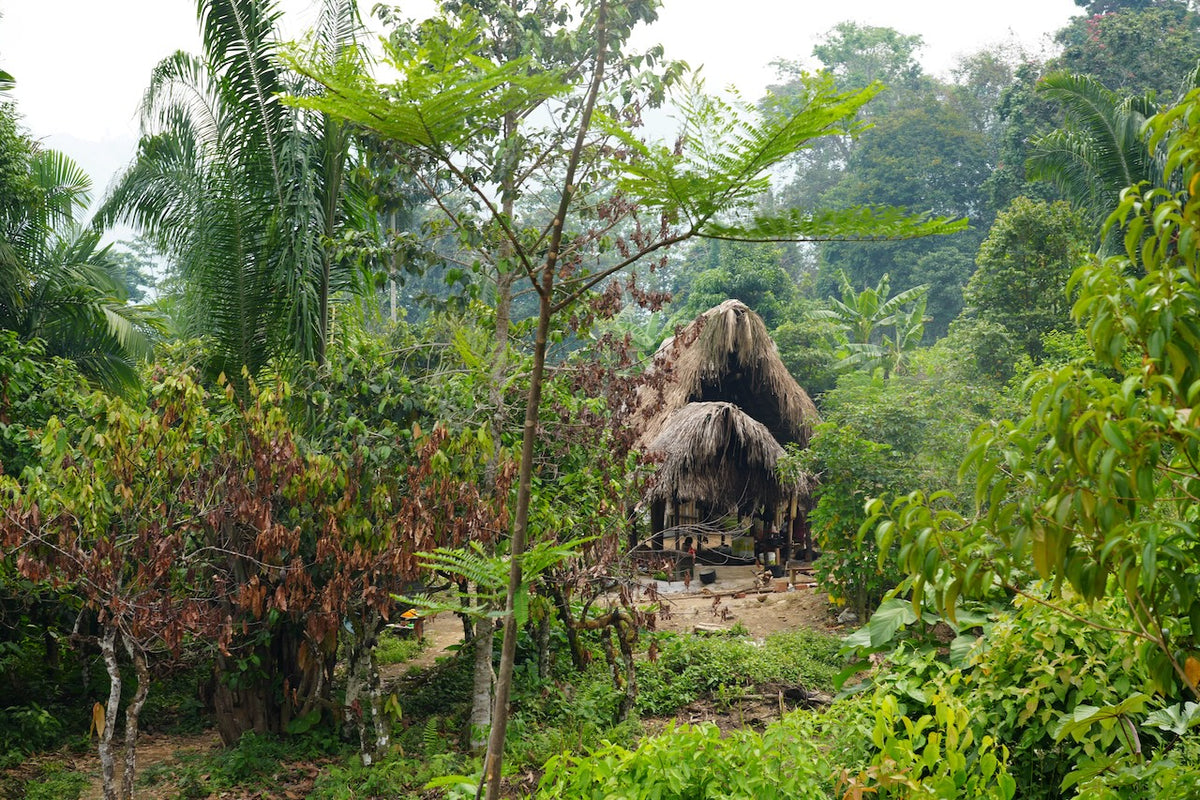
Upper basin of the Apurímac River, VRAEM, Cusco — ecological floors ranging from 400 to 3,000 meters.
Small-scale agroforestry promotes biodiversity and prevents deforestation. Farmers use only organic fertilizers, including cacao shells and powder returned by the cooperative as compost. Varieties are kept in distinct parcels and separated at harvest.
Qori Warmi (“Golden Women” in Quechua) was founded in 2017 with 35 members and has grown to 110 women producers, with a goal of 200. Years of violence in the VRAEM left many women managing the family parcels; the cooperative exists so their work is seen, valued and paid equally.
Qori Inti (“Golden Sun”) is VRAE-99, a native variety known locally as Ganso, propagated for its yield and flavor. The cooperative raises it in a clonal garden, distributes trees to members, and implements strong traceability practices across its commercial operations to deliver value to both customers and its member growers.
Members also make chocolate in Pichari under the name Tsinane (“women” in Asháninka) from hand-sorted Qori Warmi beans. Its women producers are now leaders for the next generation, showing young people a future in cacao.
TERROIR
Upper basin of the Apurímac River, VRAEM, Cusco — ecological floors ranging from 400 to 3,000 meters.
Small-scale agroforestry promotes biodiversity and prevents deforestation. Farmers use only organic fertilizers, including cacao shells and powder returned by the cooperative as compost. Varieties are kept in distinct parcels and separated at harvest.

Silva Quality
Special Selection
Pictured: Tsinane Constancia, an Asháninka cacao grower

Flavor Profile
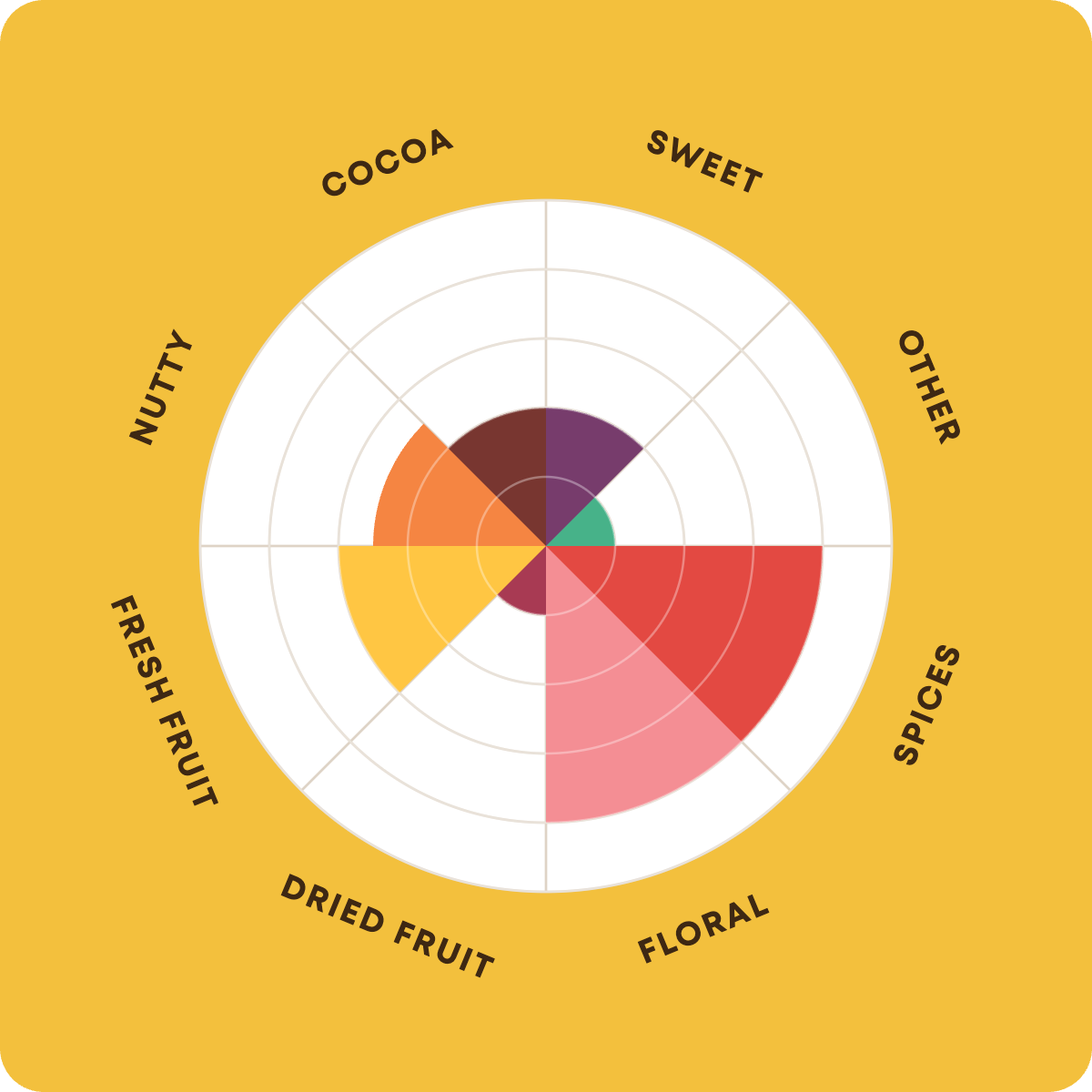
Floral, pink pepper, peach
QUALITY & PROCESSING
Certifications:
EU Organic
Variety:
VRAE-99 (“Ganso”), native
Fermentation Process:
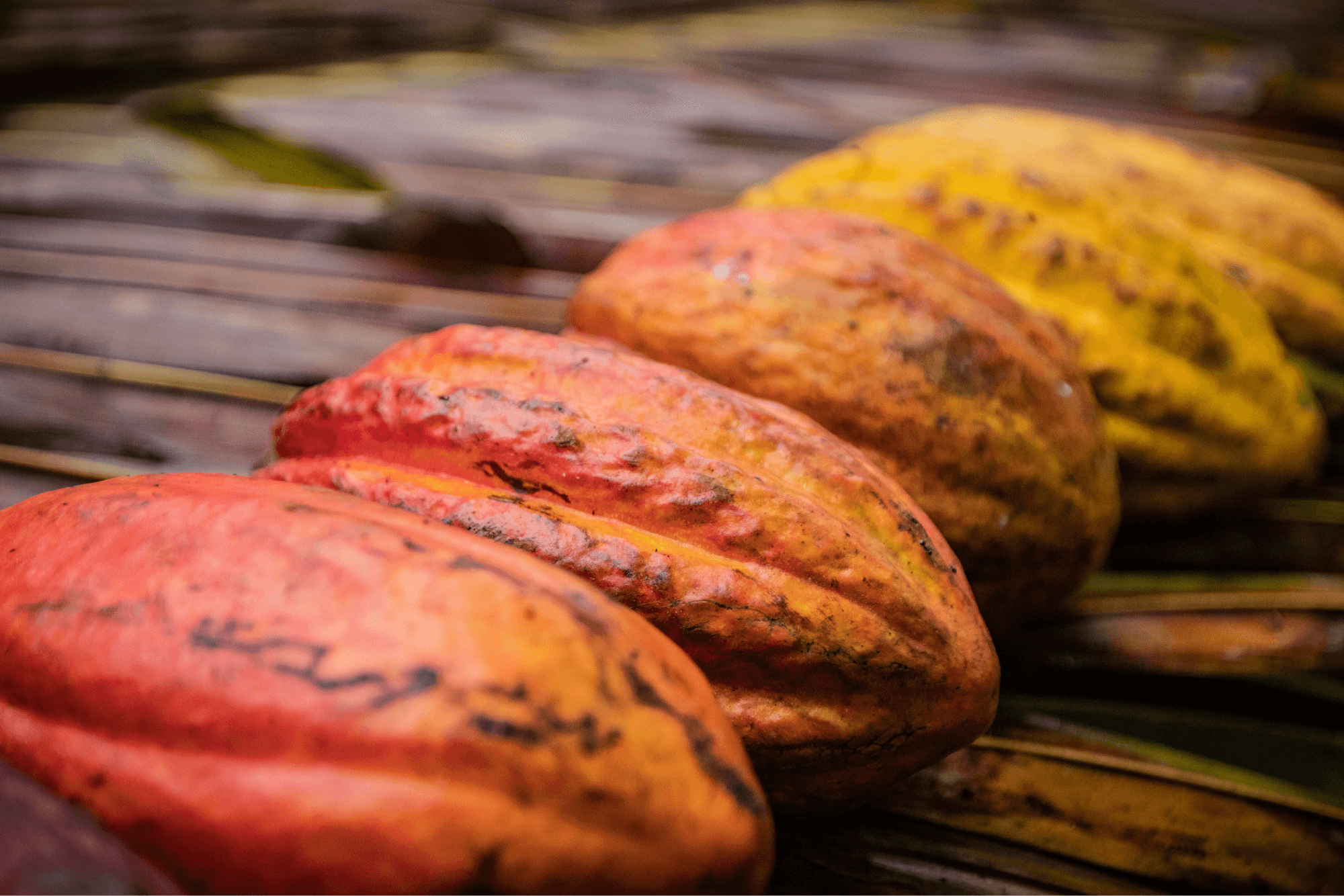
6 days in horizontal wooden boxes
Source:
Qori Warmi cooperative, Pichari
Drying:
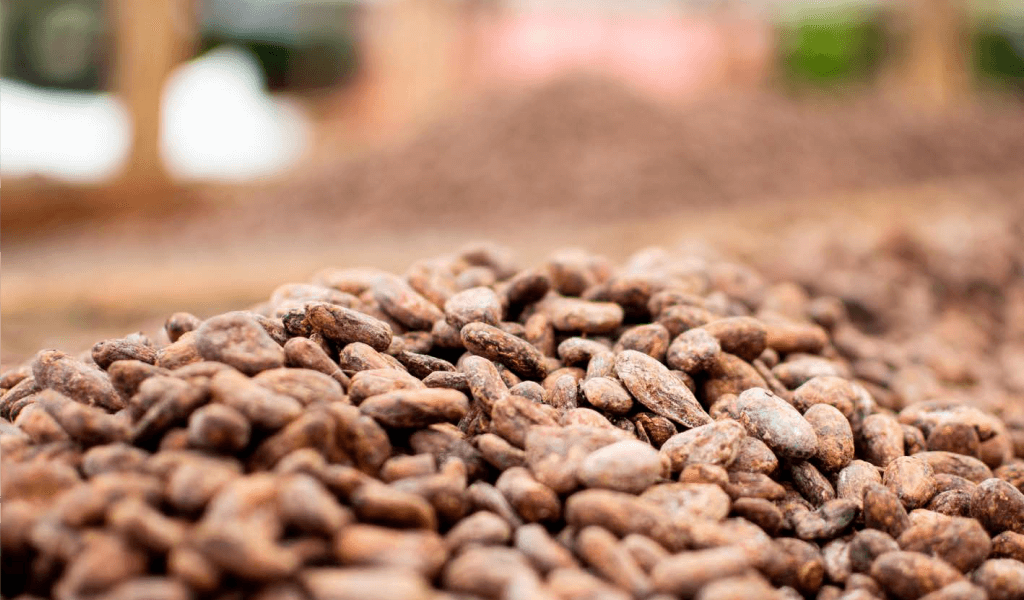
Natural sun-drying in solar tunnels
Harvest Seasons:
December–March
We believe that the difference between traceability and transparency is published and verifiable data for each and every step in our supply chain.


