

São Tomé & Príncipe
MATÔ MUÍO
São Tomé is cacao and cacao is São Tomé — the first place in Africa where cacao was grown.
It is one of the least visited countries in the world. Cacao is woven into everything here, from the abandoned roças to the trees behind the houses in each village. The combination of a rainy climate and volcanic soils results in a distinctive terroir.
Local enterprise MLM collaborates with a network of approximately 200 dedicated local smallholder farmers who grow cacao on over 700 hectares. MLM processes 100% of the cacao they sell through their own centralized fermentation facility, managing Organic certification and ensuring that the growers’ hard work results in beans perfectly suited for fine chocolate makers.
Beyond quality, these farmers benefit from interest-free microloans, assistance in formalising land titles, direct financial support to daycares and primary schools, and investment to ensure full compliance with EUDR and Organic regulations.
TERROIR
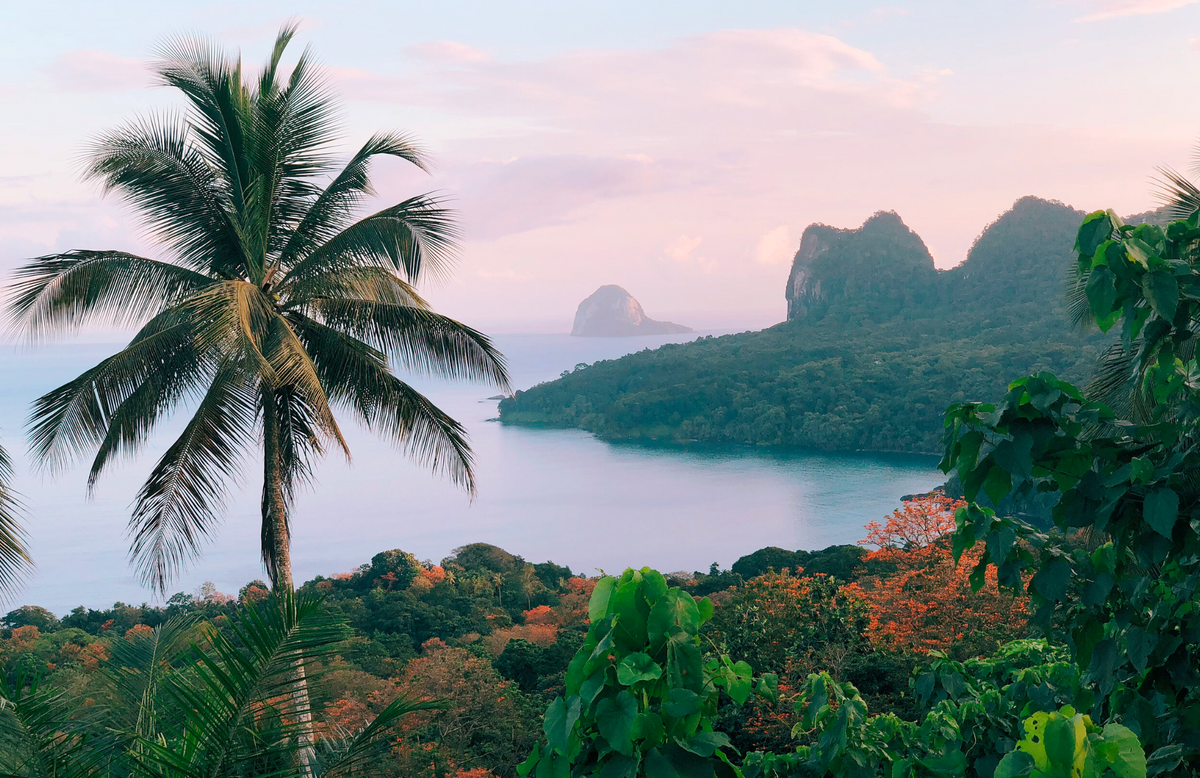
Mé-Zóchi and Lobata, on São Tomé island: Amelonado and Forastero types on volcanic soil under an equatorial canopy.
São Tomé offers ideal natural conditions for cacao: warm tropical temperatures, fertile volcanic soils, and consistent rainfall. Farms here are often lush agroforestry systems, interwoven with crops like coffee, breadfruit, jackfruit, vanilla, papaya, coconut, and banana.
It is one of the least visited countries in the world. Cacao is woven into everything here, from the abandoned roças to the trees behind the houses in each village. The combination of a rainy climate and volcanic soils results in a distinctive terroir.
Local enterprise MLM collaborates with a network of approximately 200 dedicated local smallholder farmers who grow cacao on over 700 hectares. MLM processes 100% of the cacao they sell through their own centralized fermentation facility, managing Organic certification and ensuring that the growers’ hard work results in beans perfectly suited for fine chocolate makers.
Beyond quality, these farmers benefit from interest-free microloans, assistance in formalising land titles, direct financial support to daycares and primary schools, and investment to ensure full compliance with EUDR and Organic regulations.
TERROIR
Mé-Zóchi and Lobata, on São Tomé island: Amelonado and Forastero types on volcanic soil under an equatorial canopy.
São Tomé offers ideal natural conditions for cacao: warm tropical temperatures, fertile volcanic soils, and consistent rainfall. Farms here are often lush agroforestry systems, interwoven with crops like coffee, breadfruit, jackfruit, vanilla, papaya, coconut, and banana.

Silva Quality
Regional
Pictured: Nina from the Uba Buda community with her harvest

Flavor Profile
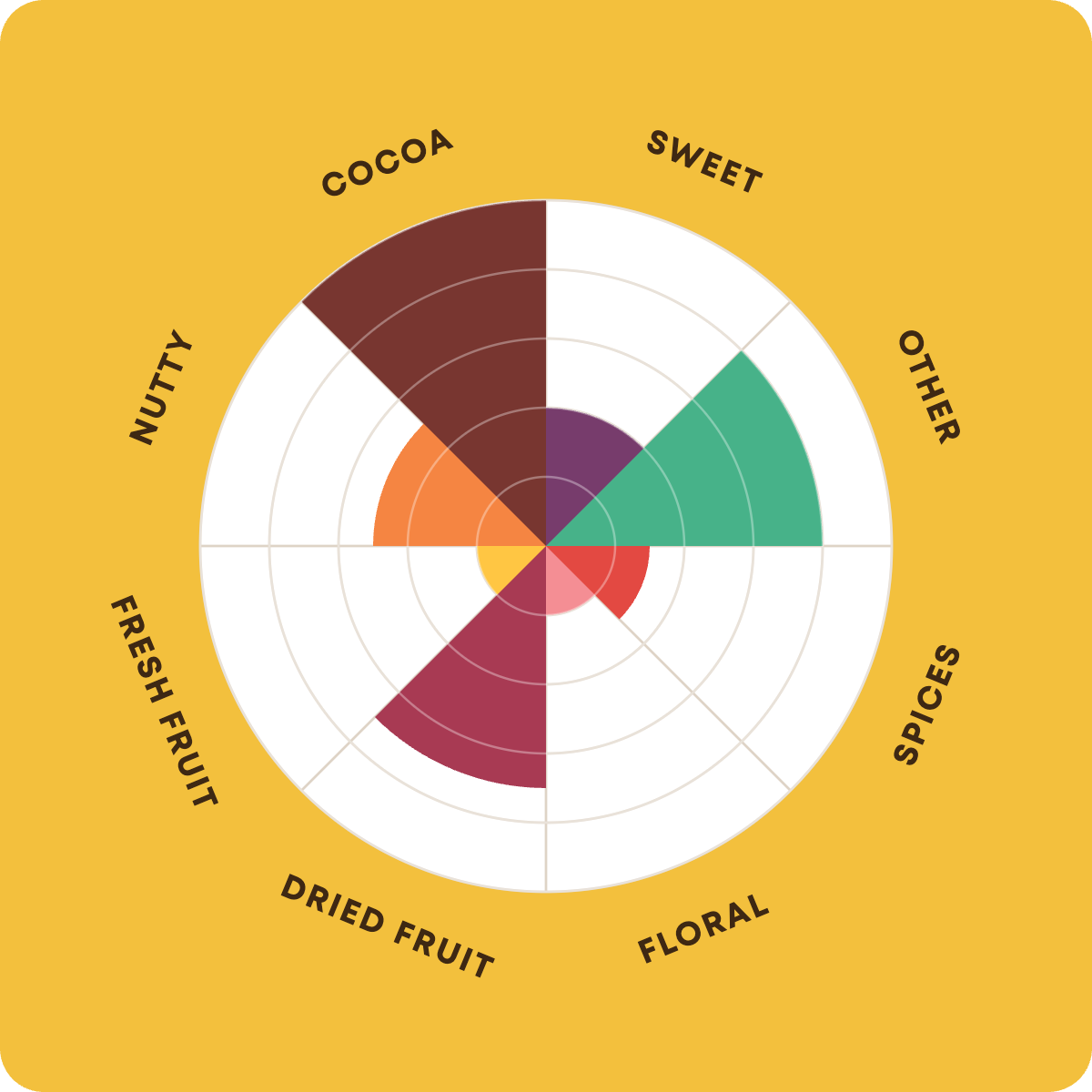
Intense chocolaty, roasted coffee, woody, dried prunes
QUALITY & PROCESSING
Certifications:
Organic EU, NOP in process
Variety:
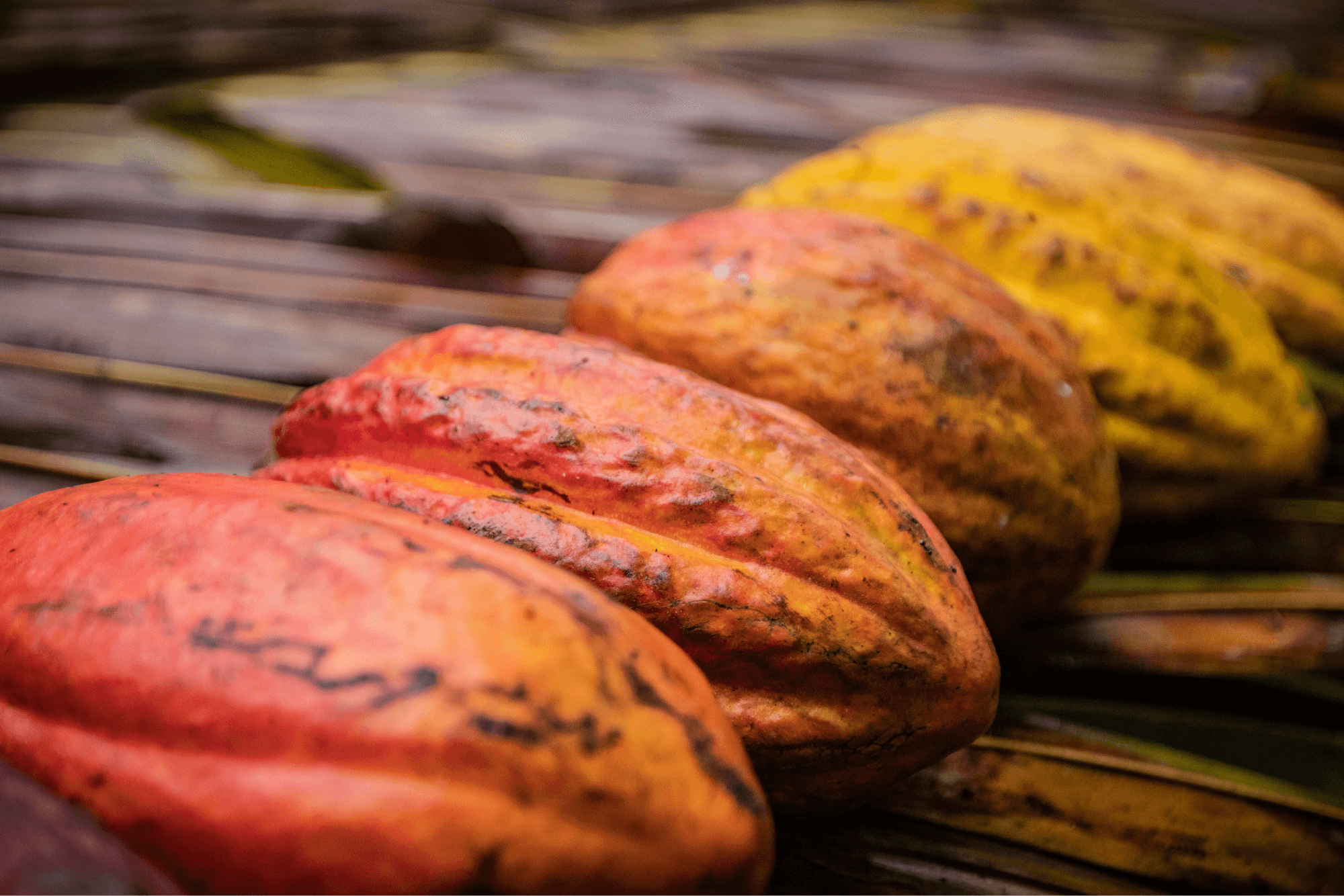
Amelonado and Forastero types
Fermentation Process:
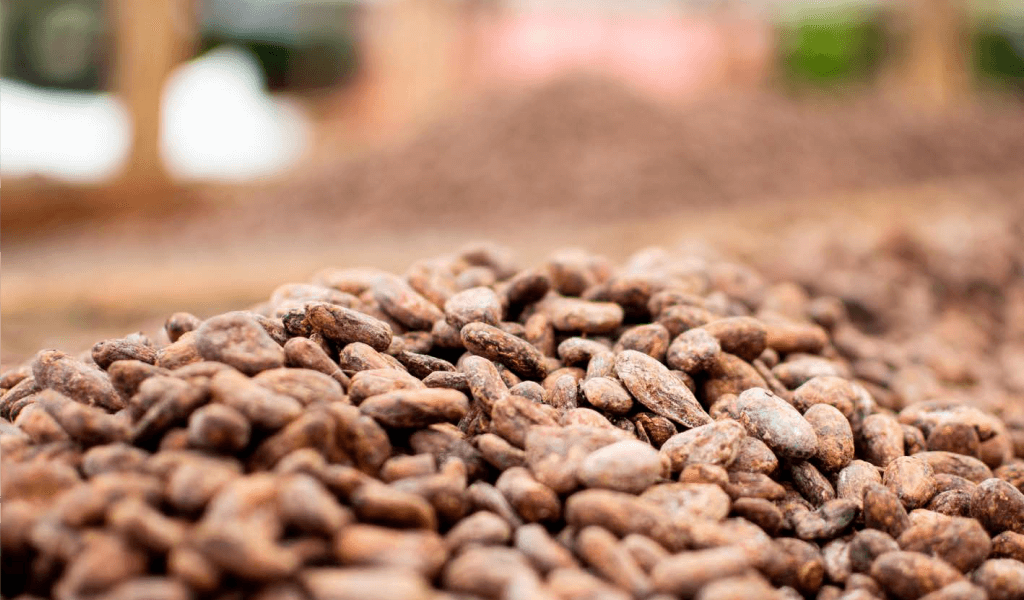
Centrally, 6–7 days in wooden boxes
Source:
Smallholder buying centre
Drying:
Natural drying on covered beds
Harvest Seasons:
Peak July–December, smaller harvest March–April
Sacks:
Jute, 70 kg
We believe that the difference between traceability and transparency is published and verifiable data for each and every step in our supply chain.


