

Cameroon
COOKO
At Cooko, traceability is built into the bean: every batch carries a scannable barcode that links back to the plot it grew on.
Scan a bag and the record opens up — farm plot, farmer name, harvest date, fermentation protocol. Cooko calls the result Source Fermented Cocoa®, and it lets chocolate makers verify the whole journey rather than take it on trust. Cooko’s Source Fermented Cocoa® provides over 80 data points per bean. Cooko offers unique visibility, especially for the region, into their ethical sourcing, post-harvest processing, quality assurance and direct farmer impact, from each individual farmer plot to the bags loaded into containers.
Cooko is a fast-growing social enterprise based in Ntui. The company is making an important impact in the African cocoa industry and is in the process of developing carbon credits and payments for environmental services. Cooko already implements a Farmer Digital Rights & Benefits Policy.
Cacao is intercropped with plantain, cassava, maize, fruit and timber trees across the Cooko farmer network.

TERROIR
Ntui sits in the Centre Province, in the Grand Mbam landscape: the forest belt where Cameroon’s cacao has always grown, under shade.
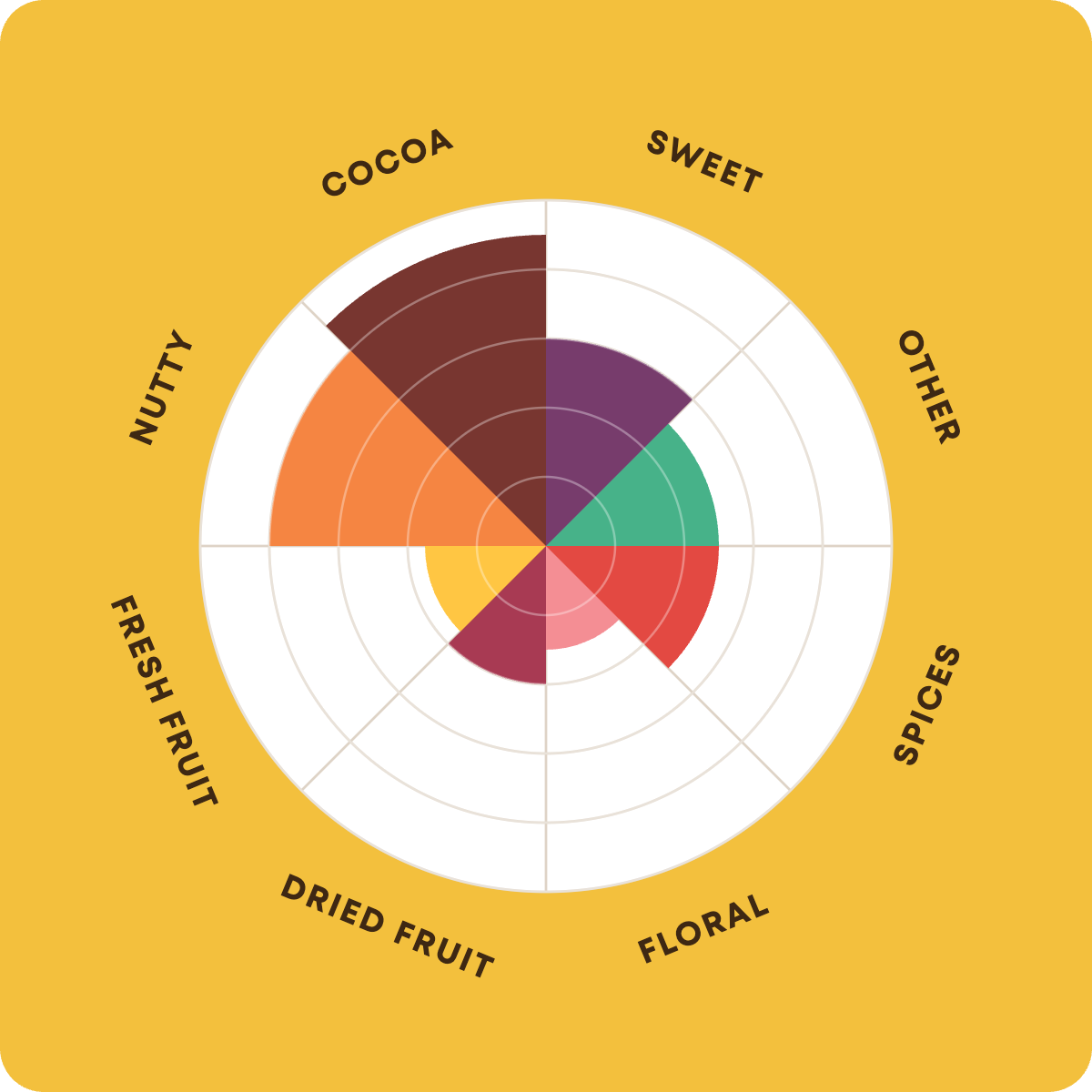
Post-harvest is unusually deliberate for the region: two days in sealed anaerobic buckets, then five days in wooden tumblers, before sun drying on covered beds. The subtle orange zest and spice tones over a deep cocoa base come from that protocol as much as the genetics.
Scan a bag and the record opens up — farm plot, farmer name, harvest date, fermentation protocol. Cooko calls the result Source Fermented Cocoa®, and it lets chocolate makers verify the whole journey rather than take it on trust. Cooko’s Source Fermented Cocoa® provides over 80 data points per bean. Cooko offers unique visibility, especially for the region, into their ethical sourcing, post-harvest processing, quality assurance and direct farmer impact, from each individual farmer plot to the bags loaded into containers.
Cooko is a fast-growing social enterprise based in Ntui. The company is making an important impact in the African cocoa industry and is in the process of developing carbon credits and payments for environmental services. Cooko already implements a Farmer Digital Rights & Benefits Policy.
Cacao is intercropped with plantain, cassava, maize, fruit and timber trees across the Cooko farmer network.
TERROIR
Ntui sits in the Centre Province, in the Grand Mbam landscape: the forest belt where Cameroon’s cacao has always grown, under shade.
Post-harvest is unusually deliberate for the region: two days in sealed anaerobic buckets, then five days in wooden tumblers, before sun drying on covered beds. The subtle orange zest and spice tones over a deep cocoa base come from that protocol as much as the genetics.

Silva Quality
Regional
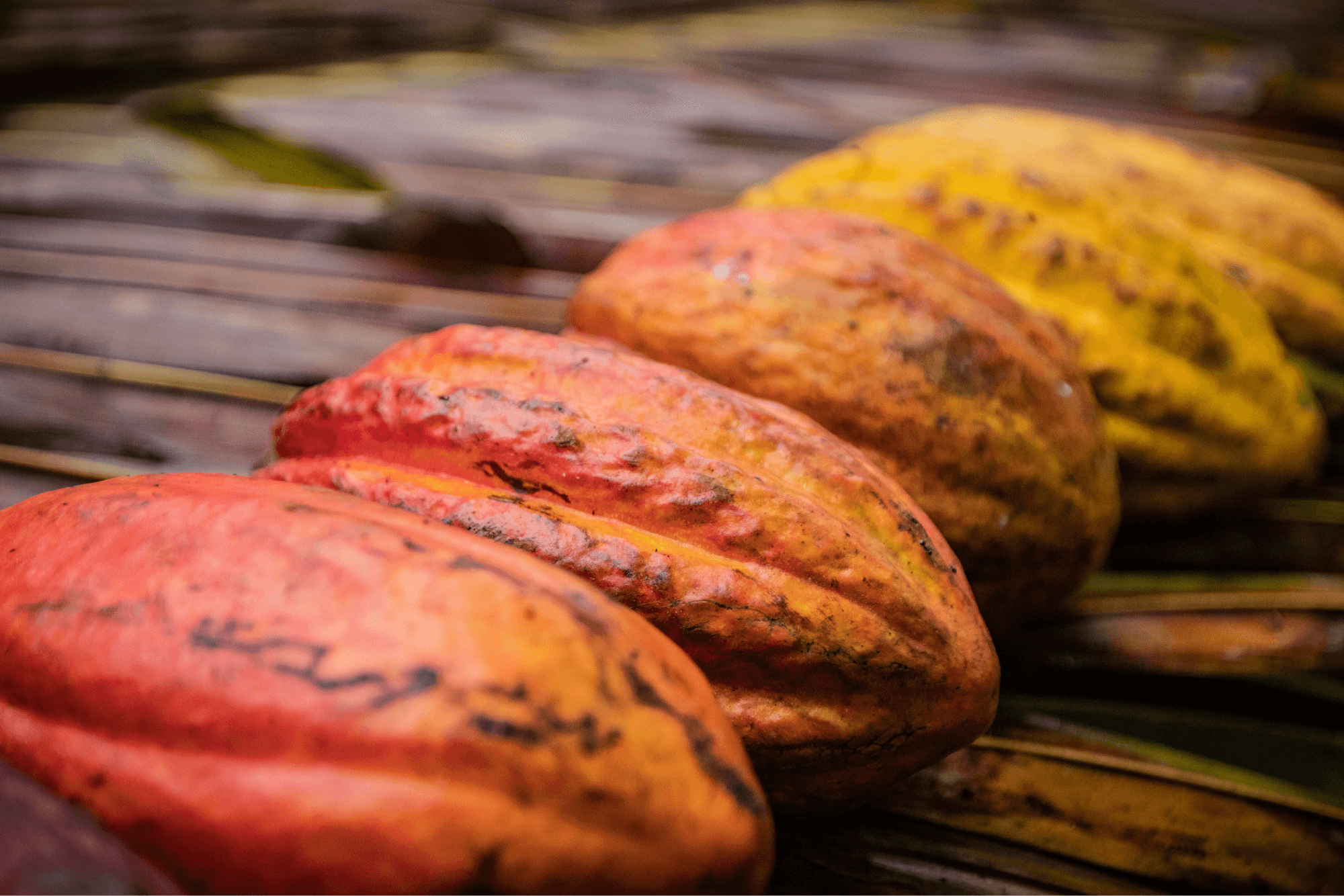
Pictured: Growers harvesting cacao into Cooko’s patented data-embedded containers

Flavor Profile
Chocolate fudge, walnut, orange peel, spice
QUALITY & PROCESSING
Verification:
Source Fermented Cocoa®, barcoded farm-to-bag
Variety:
Blend of Forastero and Trinitario types
Fermentation Process:
2 days anaerobic buckets, 5 days wooden tumblers
Source:
Cooko social enterprise
Drying:
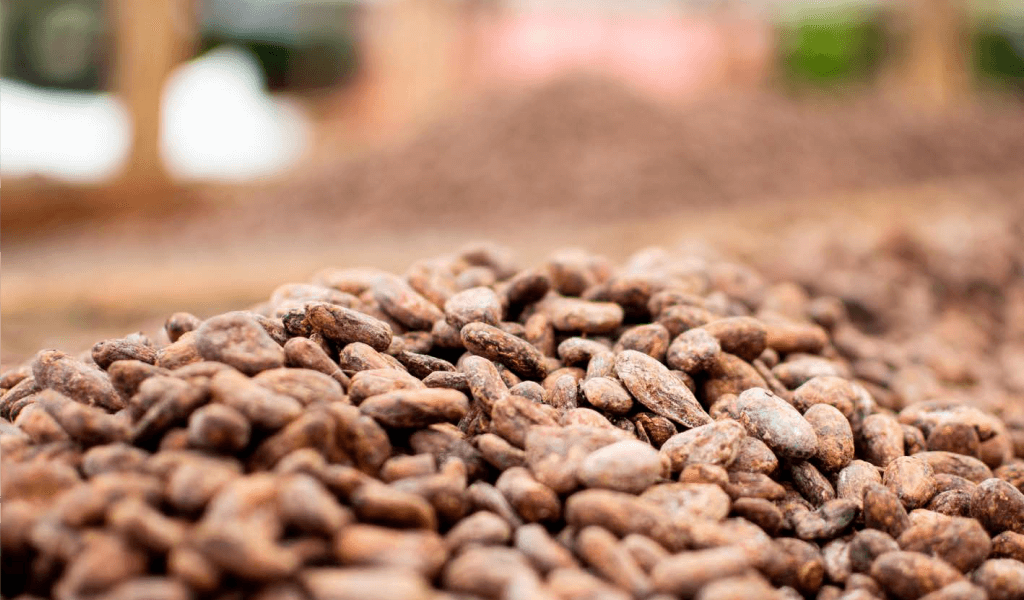
Natural sun drying on covered beds
Harvest Seasons:
September–January, May–June
Sacks:
Jute, 60 kg
We believe that the difference between traceability and transparency is published and verifiable data for each and every step in our supply chain.


